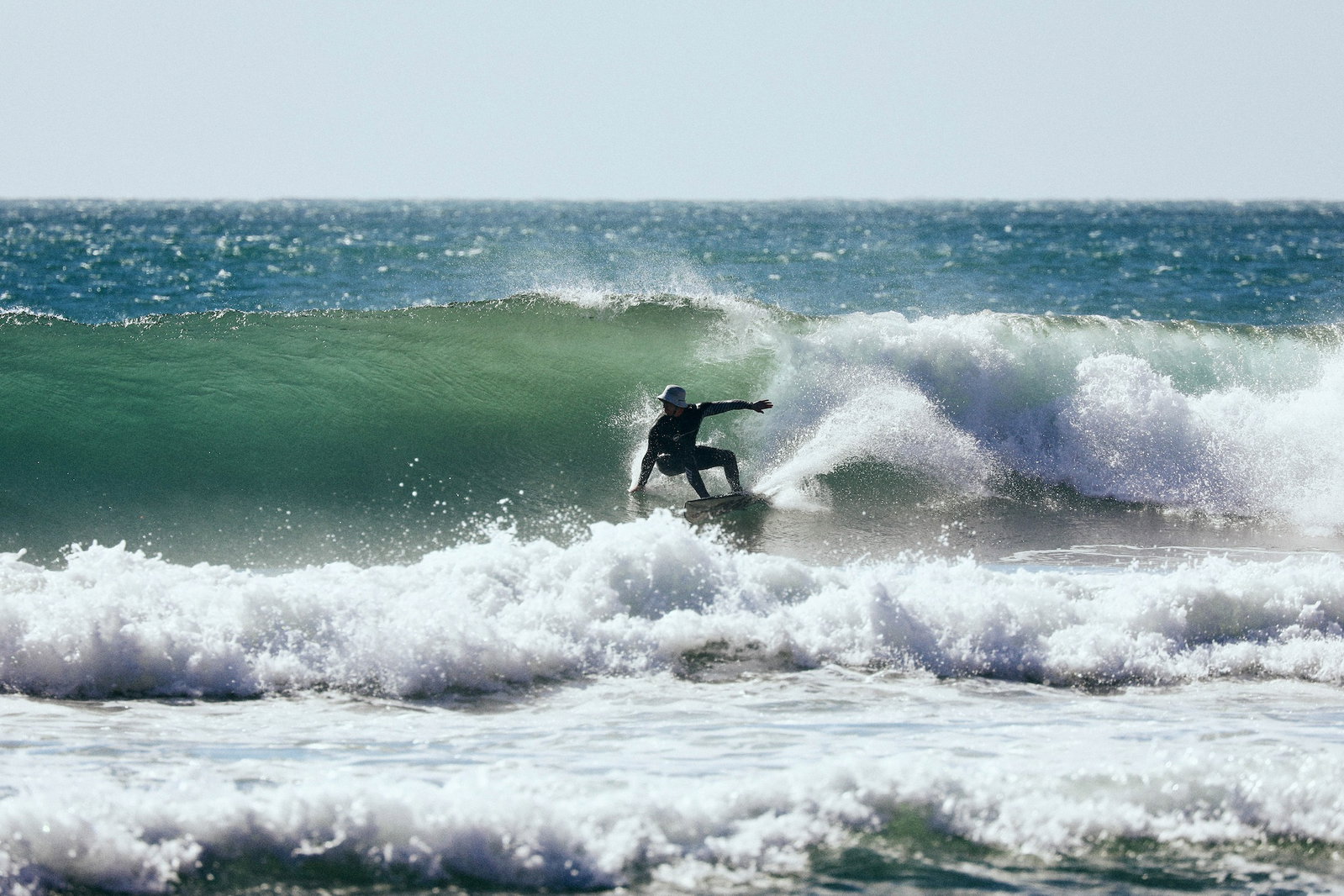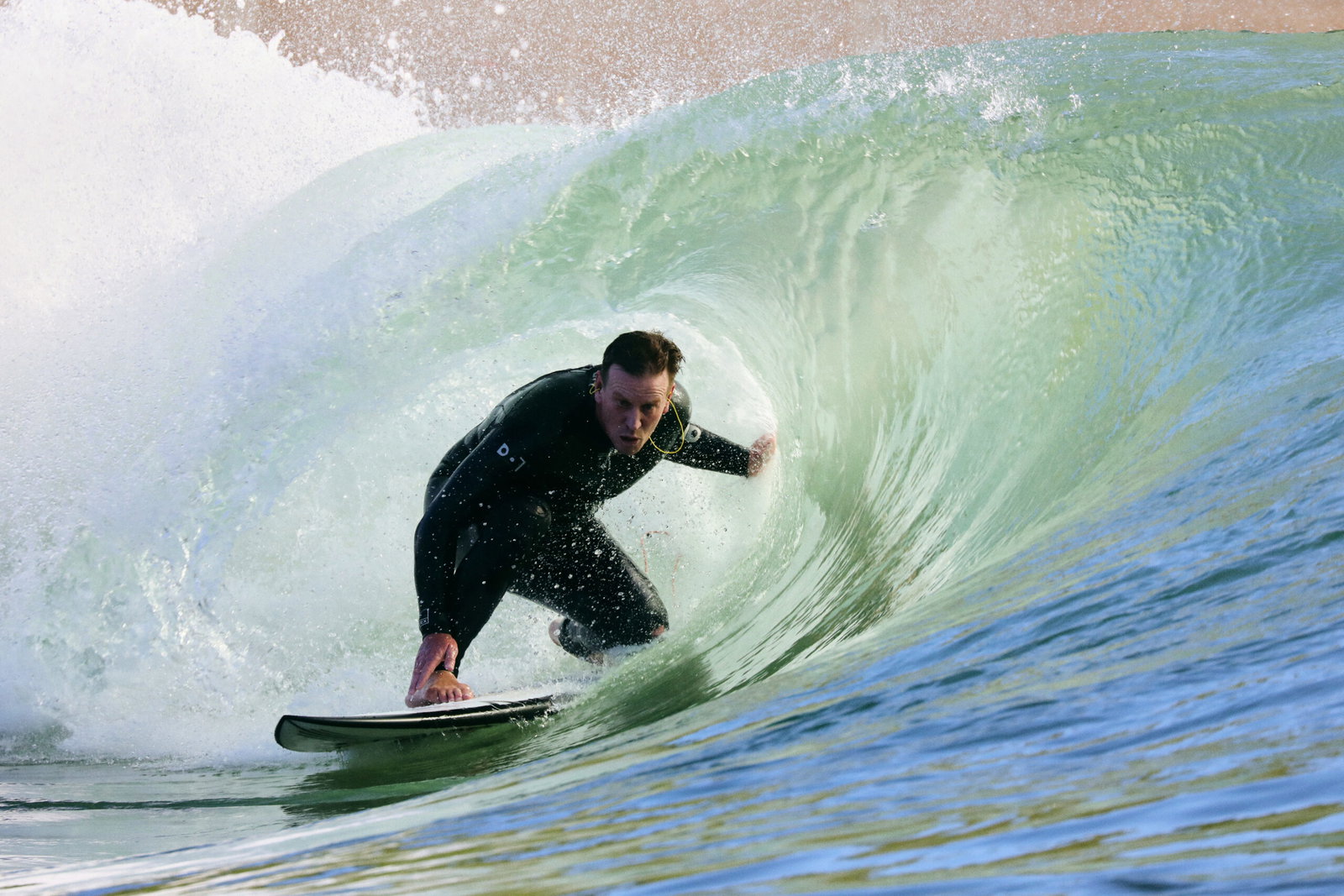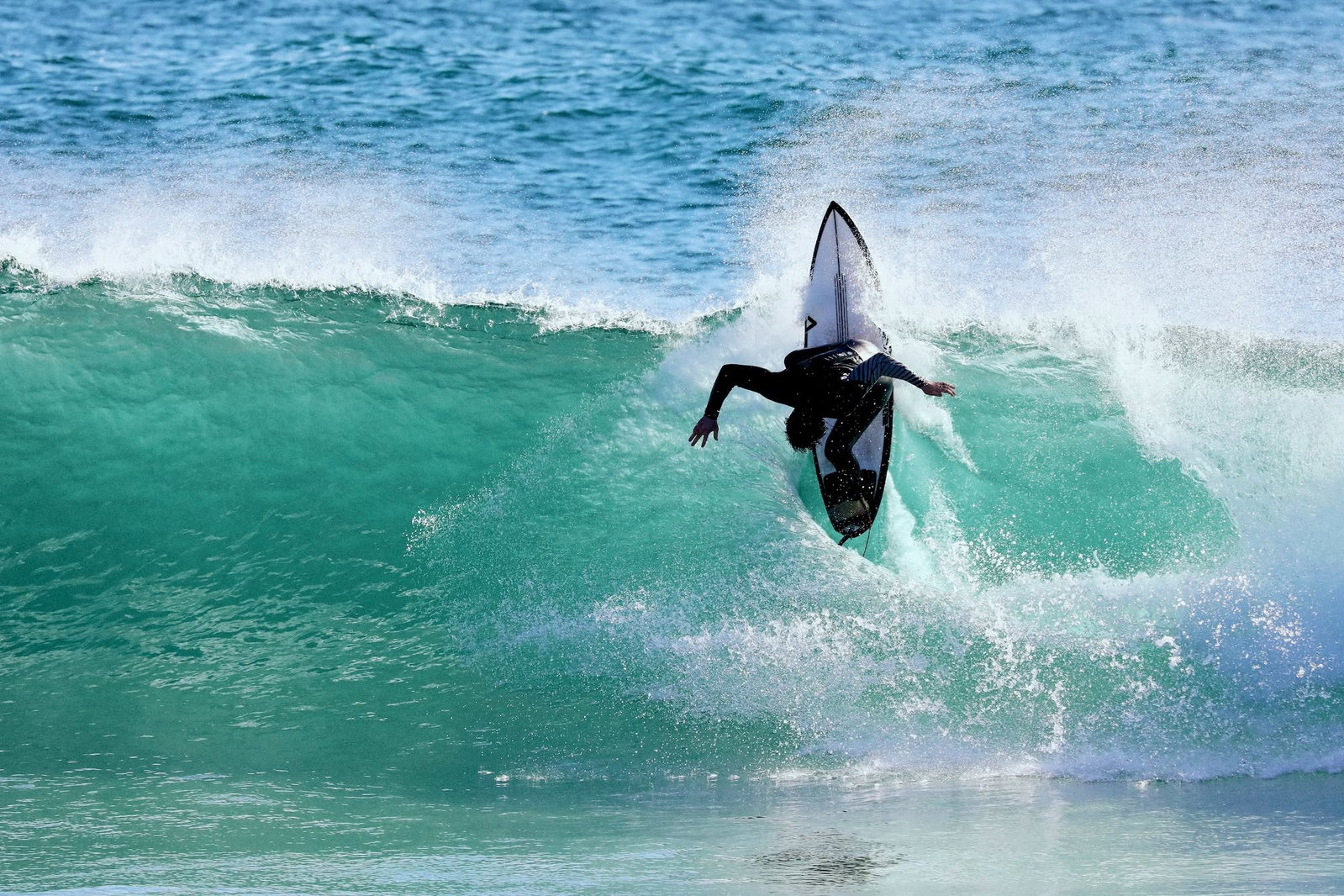
Eight years. Over 1,200 surfers coached across every continent, every break type, every level — from complete beginners to national champions.
We've identified patterns. Not theories from a textbook. Patterns observed across real people over real time. Here are the ones that matter most.
Pattern 1: The people who improve fastest are coachable, not naturally talented
The myth is that some people are natural surfers. They're not. Some people are naturally athletic, which helps. But the surfers who improve fastest in RSJ programmes are the ones who listen without ego, execute the feedback immediately, and ask better questions than they give answers.
Talent gets you started. Coachability gets you somewhere worth going.
Pattern 2: Deliberate practice is wildly underused
Most surfers spend their sessions just surfing — catching whatever comes, enjoying it, improving at approximately the rate of someone who is deliberately not trying to improve.
Deliberate practice means having one specific focus per session, executing it consciously every time you ride, and reviewing the outcome. Not surfing. Training.
The surfers who combine regular surfing with even one deliberately practised session per week consistently outperform those who surf more but without focus.
Pattern 3: Video analysis is the fastest tool in existence
Telling a surfer they're leaning back on take-off has moderate impact. Showing them a clip of themselves leaning back on take-off has enormous impact. The brain processes visual information about itself differently from verbal instruction.
We make video analysis central to every RSJ programme for this reason. It's not optional — it's the tool that makes everything else stick.
Pattern 4: The plateau is almost always about one thing
When a surfer describes feeling stuck — not improving despite consistent practice — it is almost always because one foundational movement pattern is wrong and everything built on top of it compensates for it.
Fix the foundation and everything on top of it improves simultaneously. This is why the Diagnostic exists, and why generic coaching programmes often fail intermediate and advanced surfers: they address symptoms, not causes.
Pattern 5: The mental game is a real, trainable skill
Surfers who can't perform in competition often can't perform in front of cameras either, or in unfamiliar lineups. The common denominator isn't technique — it's pressure tolerance.
Pressure tolerance is not fixed. It's built through deliberate exposure to high-pressure situations — in controlled increments, with reflection afterward. We train this explicitly in our competition and performance programmes.
Pattern 6: Community accelerates everything
Surfers who train with other committed people improve faster. Not because of competition (though that helps) but because of accountability, shared focus, and the modelling effect — seeing what's possible in someone else changes your understanding of what's possible for you.
This is why every RSJ experience format runs in small groups rather than solo sessions. Isolation has limits; community compounds.
Free Resource
Get the Free Intermediate Plateau Guide
5 common technical faults holding intermediate surfers back — and exactly how to fix them. Free PDF.
We’ll send your guide by email. Marketing emails are only sent if you opt in.