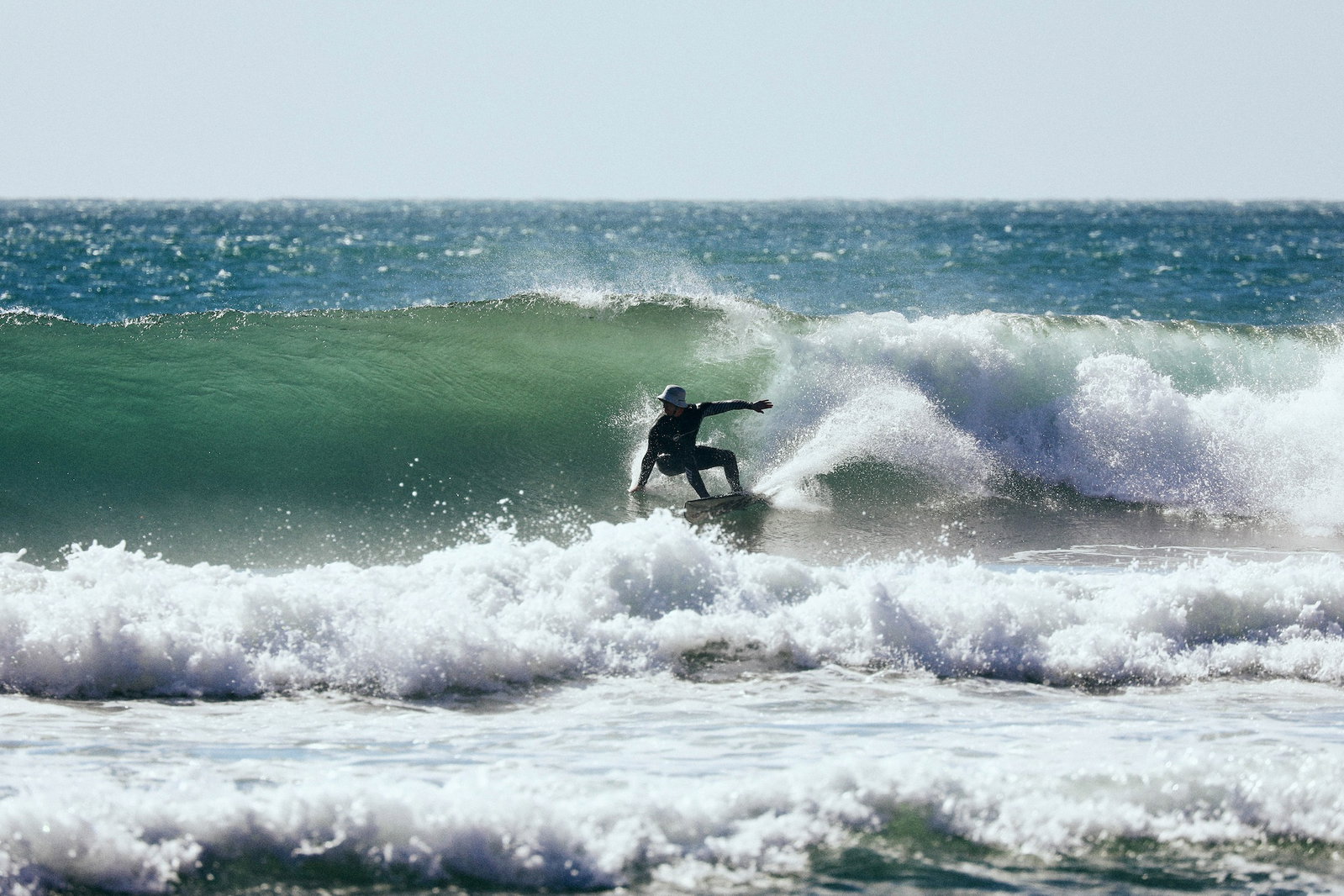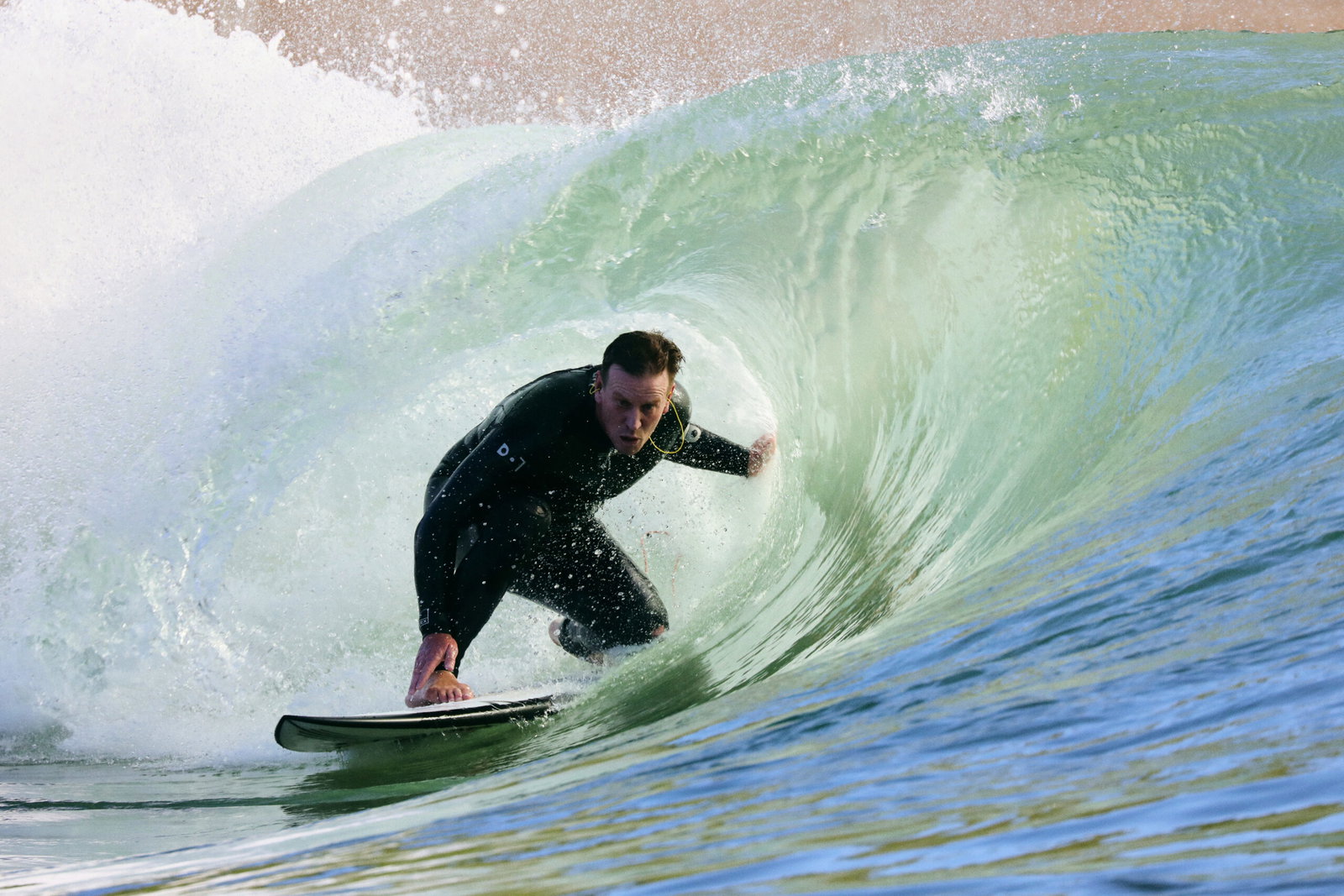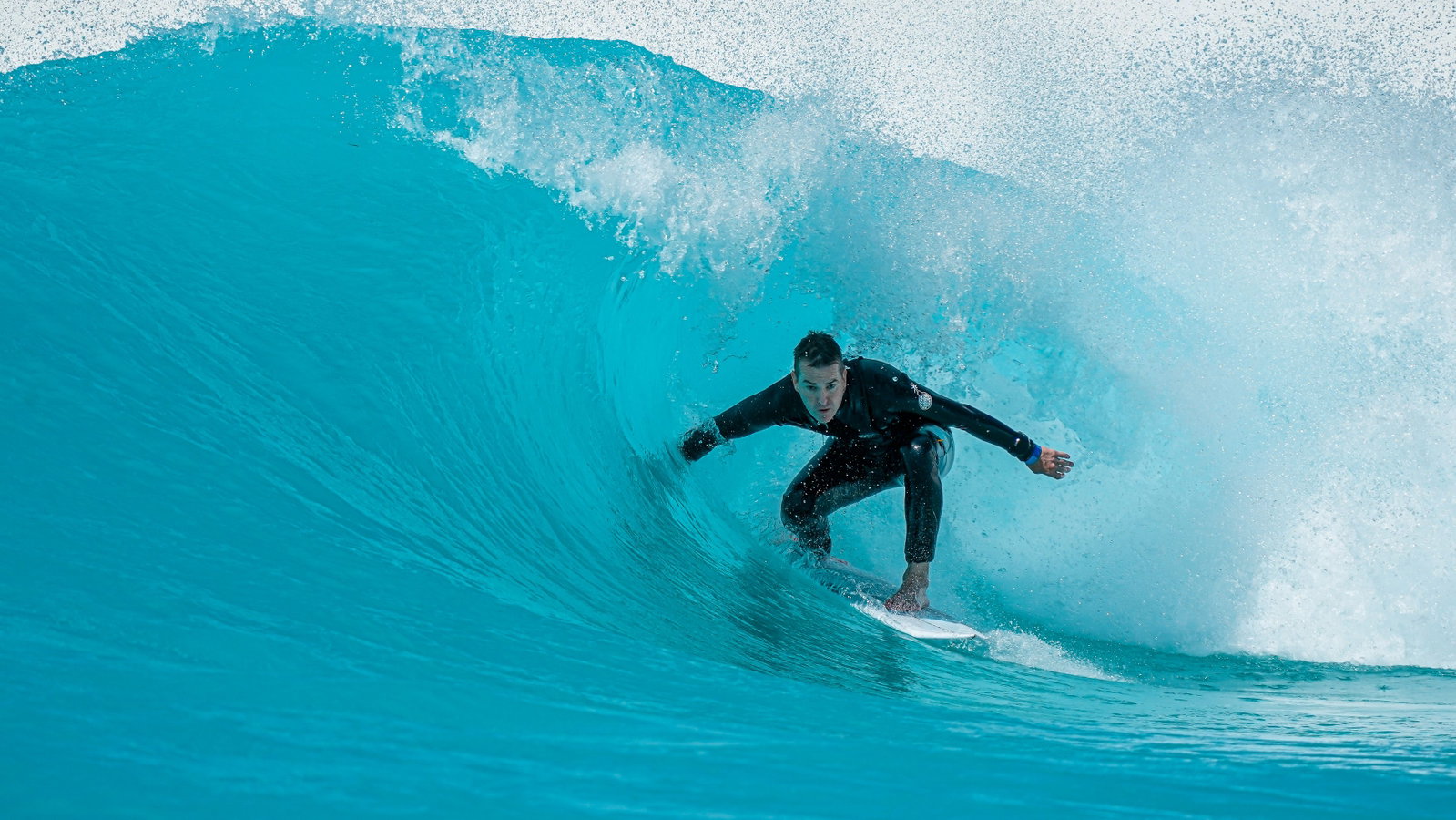
At some point, your technique isn't the limiting factor. You've been coached. You've put in the sessions. You know what to do.
Then the heat clock starts, or the swell jumps to double overhead, or there are twenty people watching from the beach — and none of it works.
This is the mental game. And it's the part of surfing coaching that gets the least attention.
Why pressure breaks surfing
The brain under stress defaults to pattern. When you're under pressure — a heat, a big wave, an unfamiliar break — your nervous system reverts to its most ingrained behaviours. If your most ingrained behaviour is leaning back when a wave is steep, that's what happens when it matters most.
Deliberate practice under low-pressure conditions doesn't fully prepare you for high-pressure performance. The two states are neurologically different.
Reframing the pressure response
The goal is not to eliminate the pressure response. It exists for a reason and it brings real physiological benefits — heightened focus, faster reaction time, increased strength. The goal is to learn to use it rather than fight it.
The technique: the moment you feel pressure, name it. Not out loud, internally. "I'm feeling pressure." This shifts your brain from the reactive state to the observational state. Neuroscience calls this affect labelling. It reduces amygdala activation. Your prefrontal cortex comes back online.
Then breathe. Two seconds in. Four seconds out. Not once — three times.
Then surf.
Building genuine high-pressure tolerance
The only way to perform well under pressure is to have performed well under pressure before. This means deliberately creating pressure in your training.
Film your sessions. Not watching back afterwards — having the camera there changes how you surf. Invite people to watch. Surf breaks you're not comfortable at. Enter competitions you're not sure you'll do well in.
Every one of these experiences accumulates tolerance. The more high-pressure situations you've successfully navigated — even small ones — the more your brain learns that pressure is manageable.
This is Kaizen applied to the mental game: small, incremental increases in discomfort that compound over time into real resilience.
Free Resource
Get the Free Intermediate Plateau Guide
5 common technical faults holding intermediate surfers back — and exactly how to fix them. Free PDF.
No spam. Unsubscribe anytime. We respect your inbox.